By VastuLand Real Estate Experts
The Delhi Development Authority (DDA) has officially rolled out the highly anticipated Master Plan for Delhi (MPD-2041). This visionary policy document is designed to transform the national capital into a sustainable, hyper-connected, and economically vibrant global metropolis. For real estate investors, MPD-2041 is a treasure map, detailing exactly where the next massive wealth generation zones will emerge over the next two decades.
1. Transit-Oriented Development (TOD): The Core Strategy
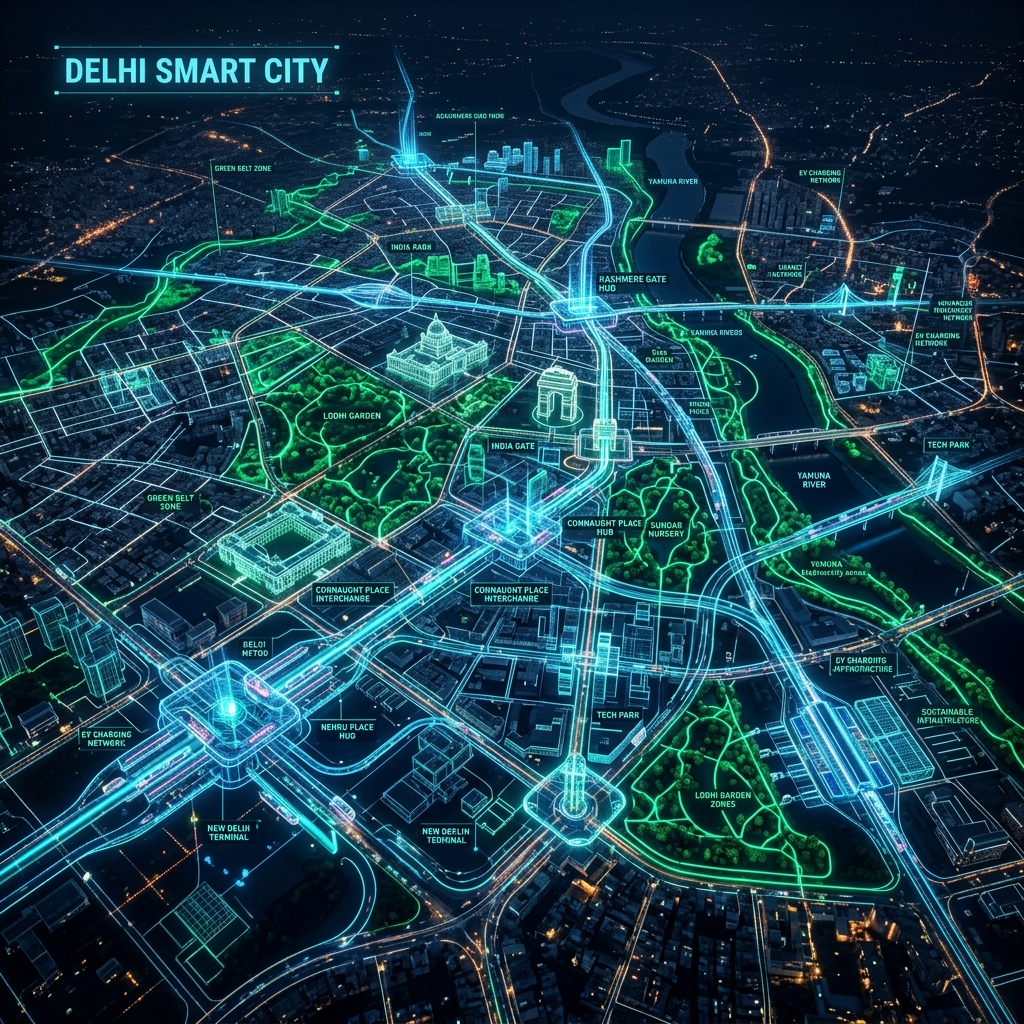
The crown jewel of MPD-2041 is its aggressive focus on Transit-Oriented Development (TOD). The DDA aims to densify the areas immediately surrounding mass transit hubs, primarily the expansive Delhi Metro network.
- Increased FAR (Floor Area Ratio): Developers building within the "influence zone" (typically a 500-meter radius around major metro stations) will be granted significantly higher FAR. This allows for taller, high-density mixed-use developments combining residential, commercial, and retail spaces.
- The ROI Implication: If you hold older, low-rise commercial or residential plots near key metro junctions, your land valuation is set to skyrocket as developers hunt for land aggregation to utilize the new TOD policies.
2. The Land Pooling Policy: Unlocking Rural Delhi
For decades, massive tracts of agricultural and rural land on the outskirts of Delhi were legally locked out of urban development. The MPD-2041 operationalizes the Land Pooling Policy, which will radically alter the supply dynamics in the capital.
Under this policy, groups of landowners can pool their fragmented land parcels and surrender them to the DDA. The DDA then develops the core infrastructure (roads, sewage, parks) and returns 60% of the developed, highly valuable residential/commercial land back to the owners.
Investment Hotspots: Zones in outer Delhi (like Narela, Bawana, and Najafgarh) are expected to see the launch of millions of affordable and mid-segment housing units, finally giving Noida and Greater Noida serious competition for the middle-class homebuyer.
3. Green-Blue Infrastructure and Vastu Harmony
MPD-2041 places unprecedented emphasis on restoring Delhi's ecological balance through the "Green-Blue" policy. This involves the rejuvenation of the Yamuna River floodplain (Blue) and the expansion of the Delhi Ridge and local parks (Green).
The Vastu Perspective:
From a Vastu Shastra standpoint, the rejuvenation of water bodies in the North and East of the city brings immense financial prosperity and health to the region. Investors should look closely at upcoming residential projects that overlook these new ecological parks, as properties with unobstructed views of natural greenery command premium valuations and attract positive, calm energy (Sattva).
4. Regeneration of Old Delhi and Unauthorized Colonies
The Master Plan acknowledges the deteriorating state of older, highly congested areas (like Walled City/Chandni Chowk). MPD-2041 introduces policies for the "regeneration" of these zones. While large-scale demolition is impossible, the plan incentivizes the amalgamation of smaller plots to build modern, fire-safe, and parking-equipped structures.
Furthermore, the regularization of specific unauthorized colonies will inject massive amounts of formal capital (home loans, institutional lending) into micro-markets that were previously strictly cash-driven.
Conclusion: Strategic Positioning for 2041
The MPD-2041 shifts the gravity of Delhi real estate from horizontal expansion to vertical, transit-integrated hubs. For long-term investors, the strategy is clear: acquire assets within the TOD influence zones, or participate in the early stages of the Land Pooling Policy in outer Delhi. As these policies transition from paper to concrete reality, early movers will witness exponential capital growth.
Frequently Asked Questions:
Q: Will the Land Pooling Policy cause a sudden crash in property prices due to oversupply?
A: Unlikely. The execution of land pooling is a slow, phased process. While it will stabilize the aggressive price hikes seen in NCR by providing alternatives, the sheer pent-up demand for housing within the official borders of Delhi will easily absorb the new supply.
Q: How does the new policy handle parking issues?
A: MPD-2041 actively discourages private vehicle ownership. TOD zones will have restricted parking norms, encouraging residents to rely on the integrated metro and bus networks, heavily promoting a "walk-to-work" ecosystem.